★★★★★
“Maxwell Financial have secured finance for us on multiple property purchases as well as vehicle/business loans. The communication has always been excellent and we know we can trust them to arrange the best possible finance solution for us.”
Transport & logistics
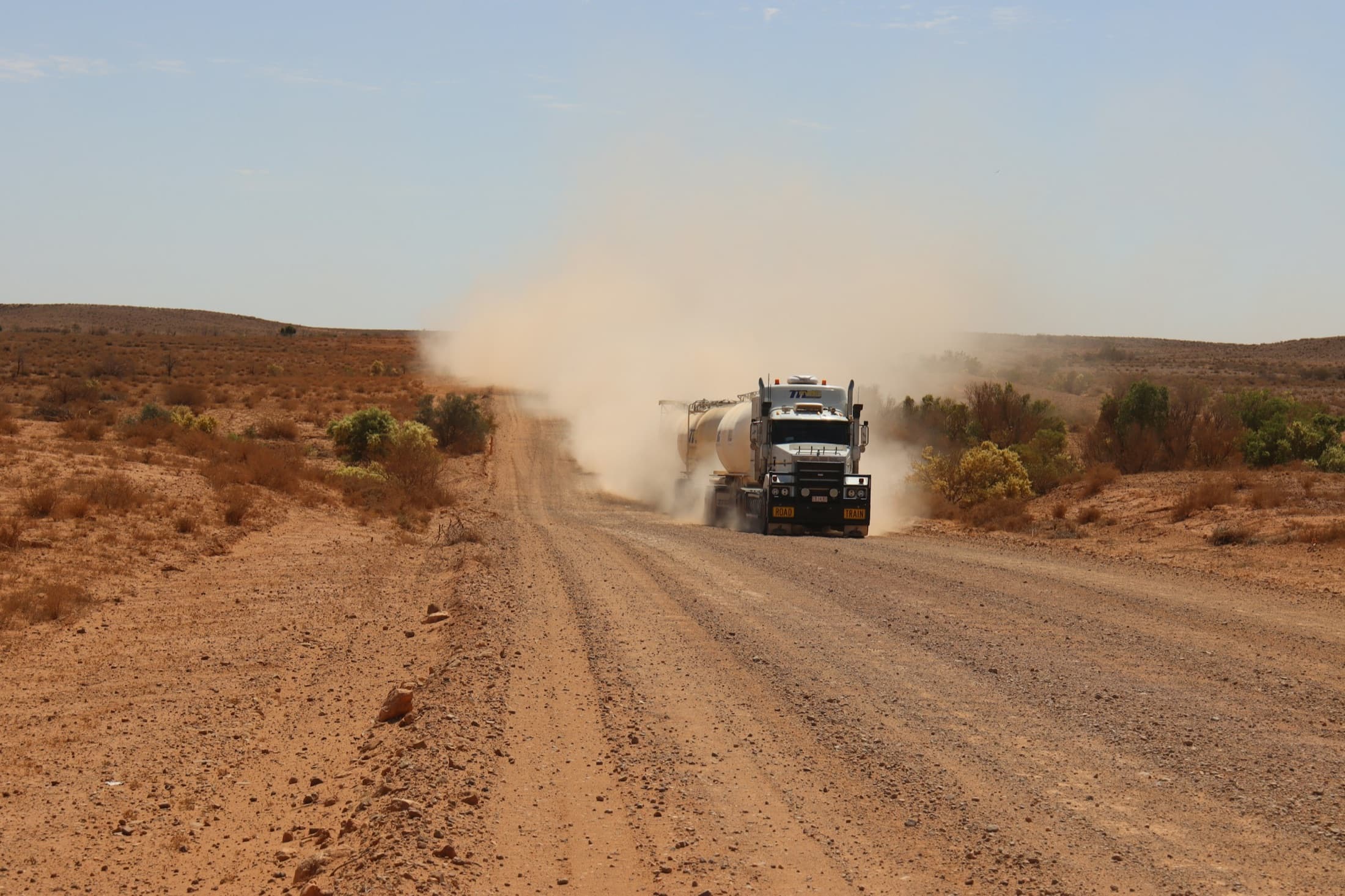
Transport and logistics is a cash-timing business as much as a freight business. Fuel, wages, rego and insurance are paid weekly; freight brokers, retailers and major shippers routinely pay invoices on 30, 60 or even 90-day terms. That gap widened through 2026, when diesel prices rose sharply on the back of Middle East supply disruption, at a time when industry margins — commonly 3% to 7% — leave little room to absorb the increase. Maxfin structures revolving lines of credit and working capital facilities sized to that gap: drawn when needed, repaid as invoices clear, with interest payable only on funds drawn.
Process
01
Tell us about the business
Fleet size, trading history and how your customers pay you — a five-minute conversation, no documents required yet.
02
Maxfin matches the lender
Your file is read against what the panel actually wants — turnover, trading history, security — and matched to the lender most likely to approve it, not submitted speculatively.
03
A short, tailored document list
Typically ABN and GST history, recent bank statements, and whatever else that specific lender needs. No generic 40-page application form.
04
Approved, and ready to draw
Eligible facilities under $500,000 can be approved in hours for straightforward files. Draw what's needed, repay as invoices clear, redraw without reapplying.
Each file is matched to the lender most likely to price and approve it, across a panel of 30+ lenders, rather than submitted speculatively.
Revolving line of credit
A pre-approved limit drawn against as needed, rather than a lump-sum loan. Interest is payable only on funds drawn, and the facility replenishes as it's repaid — sized for a recurring cash-timing gap, not a one-off purchase.
Fuel cost bridge
Diesel is paid at the pump; the freight invoice it was burned to deliver is often not paid for weeks. A revolving facility is structured to absorb that timing mismatch without disrupting the next week's run.
Extended payment terms
Common where the customer is a major retailer, freight broker or large shipper: 45, 60, even 90-day terms are now standard in parts of the industry. Maxfin sizes the facility to the operator's actual payment-term exposure, not a generic percentage of turnover.
Seasonal and peak-period top-ups
Harvest-season livestock haulage, pre-Christmas freight surges and other peak periods create short, predictable spikes in cash-flow pressure. A revolving facility covers the peak without a new loan application each time.
Fleet maintenance and compliance costs
Registration, insurance renewals and unplanned repairs don't wait for the next invoice to clear. Working capital keeps the fleet compliant and moving without disrupting trading cash.
Paired with a fleet refresh
Where a truck or trailer purchase is also on the table, Maxfin structures the asset finance and the working-capital facility together, so the fleet refresh doesn't create its own cash-flow strain. See equipment & vehicle finance.
Fast-moving approval
Working-capital lenders on Maxfin's panel can approve eligible revolving facilities under $500,000 within hours rather than weeks for straightforward files. Timing depends on the lender, the file and how complete it is.
Company and trust borrowers
Structured for company or trust-operated transport businesses with an established trading history — most lenders in this category look for two to three years or more, though it varies by lender and facility size. Sole traders, very new ABNs and limited turnover sit outside most working-capital lenders' appetite — Maxfin confirms eligibility, and what else on the panel might fit, before any application goes in.
Approach
Owner-operator carrying broker terms
A three to five-truck operator running linehaul for a freight broker on 60-day terms, with diesel costs up sharply through 2026. A revolving facility covers fuel and wages in the weeks before the invoice clears, drawn down and repaid as each payment cycle completes.
Regional linehaul hit by the fuel price shock
An established regional operator whose fuel bill rose faster than contracted freight rates could be renegotiated. Working capital bridges the margin squeeze while rate renegotiation with the customer runs its course, rather than the business drawing down reserves or delaying supplier payments.
Livestock transport, peak mustering season
A seasonal spike in haulage volume that outpaces the business's normal cash cycle. A facility sized to the peak, drawn for the season and repaid as settlement proceeds come through, avoids over- or under-sizing a fixed-term loan to a seasonal pattern.
Overdraft restructure for a growing fleet
An established transport business has outgrown an ad-hoc bank overdraft arranged years ago. Maxfin reviews actual bank-statement cash-flow patterns and restructures into a revolving facility sized to the real pattern, materially reducing cost without changing monthly cash outflow.
A three to five-truck operator running linehaul for a freight broker on 60-day terms, with diesel costs up sharply through 2026. A revolving facility covers fuel and wages in the weeks before the invoice clears, drawn down and repaid as each payment cycle completes.
An established regional operator whose fuel bill rose faster than contracted freight rates could be renegotiated. Working capital bridges the margin squeeze while rate renegotiation with the customer runs its course, rather than the business drawing down reserves or delaying supplier payments.
A seasonal spike in haulage volume that outpaces the business's normal cash cycle. A facility sized to the peak, drawn for the season and repaid as settlement proceeds come through, avoids over- or under-sizing a fixed-term loan to a seasonal pattern.
An established transport business has outgrown an ad-hoc bank overdraft arranged years ago. Maxfin reviews actual bank-statement cash-flow patterns and restructures into a revolving facility sized to the real pattern, materially reducing cost without changing monthly cash outflow.
Common questions
What's the difference between a line of credit and a business loan?
A business loan (term loan) funds a fixed amount for a fixed purpose, repaid on a set schedule over a set term. A line of credit is a pre-approved limit drawn against as needed; interest applies only to the amount drawn, and the available credit refills as it's repaid. For a recurring cash-flow gap, rather than a one-off purchase, a line of credit is typically the better-fitting structure.
Why are transport companies particularly affected by cash-flow timing?
Diesel prices rose roughly 40% from late February 2026 on the back of Middle East supply disruption, and industry margins commonly sit at 3% to 7% — not enough headroom to absorb that kind of spike. At the same time, large shippers, retailers and freight brokers routinely extend payment terms to 45, 60 or 90 days. That combination has been a material factor behind rising sector insolvencies. A working-capital facility addresses the timing mismatch directly, rather than requiring the business to absorb it from trading cash.
Is this only for large transport companies?
No. Most Australian trucking and freight businesses are small, commonly fewer than ten employees. Working-capital facilities in this category start from $10,000, scaled to the business's turnover and cash-flow pattern rather than a fixed ceiling — sources on the maximum available vary, so Maxfin confirms the actual limit against the specific lender and file.
What do I need to qualify?
Generally: a company or trust-structured borrower, an established trading history (most lenders in this category look for two to three years or more, though smaller facilities can sometimes flex lower), a connected business bank account (lending is assessed against actual cash-flow data, not just a credit score), director personal guarantees, and — depending on the industry and the size of the facility — property security may be requested. ABN and GST registration history and recent bank statements are the starting documents. Maxfin confirms what the specific lender needs before any application goes in. Subject to lender criteria.
I've only been trading a year or two as an owner-driver — can I still get help?
It depends on the lender and the facility size — short trading history is the single most common reason working-capital applications get declined in this industry, but not every lender on the panel draws the line in the same place. It's worth a call rather than ruling it out: asset finance for a vehicle generally has a shorter trading-history bar than working capital does, and in some cases an alt-doc or smaller facility elsewhere on Maxfin's panel may still apply. Subject to lender criteria.
How fast can a facility be approved and drawn?
On Maxfin's working-capital lender panel, eligible revolving facilities under $500,000 can be approved within hours for straightforward files, materially faster than a typical term-loan process. Larger or more complex files take longer. Timing depends on file completeness and lender criteria.
Can this be combined with finance for a new truck or trailer?
Yes. Where a fleet refresh is also on the table, Maxfin structures the asset finance (chattel mortgage, lease or hire purchase — see equipment & vehicle finance) and the working-capital facility together, so the two don't compete for the same serviceability or create their own cash-flow strain.
What does a facility like this cost?
Revolving working-capital facilities in this category commonly carry a variable rate in the mid-teens to mid-twenties per cent per annum, plus an annual facility fee, with interest charged only on funds drawn rather than the full limit. Exact pricing depends on the lender, the limit and the borrower's profile. Subject to lender criteria.
Client experience
★★★★★
“Maxwell Financial have secured finance for us on multiple property purchases as well as vehicle/business loans. The communication has always been excellent and we know we can trust them to arrange the best possible finance solution for us.”
★★★★★
“Russell and Janette have been super helpful with refinancing our home loan twice now. Also sorted our business finance over the years. Wouldn't go anywhere else. Great communication from start to finish.”
22 years in practice. Expert finance solutions. Australia-wide.

Speak with the firm
A Maxfin broker will review your situation, outline the lending options and explain the trade-offs of each. The initial consultation is complimentary, with no obligation.